Comfort and safety extend from inside the apparent aesthetic of the house down to the little things, such as keeping pests at bay. The floor registers do an important job for the HVAC in your home, but they also invite some undesired guests to your living room. Dealing with this stylishly is sealing them effectively, adding to your home’s energy efficiency and making it uninhabitable for pests.
Understanding the Problem
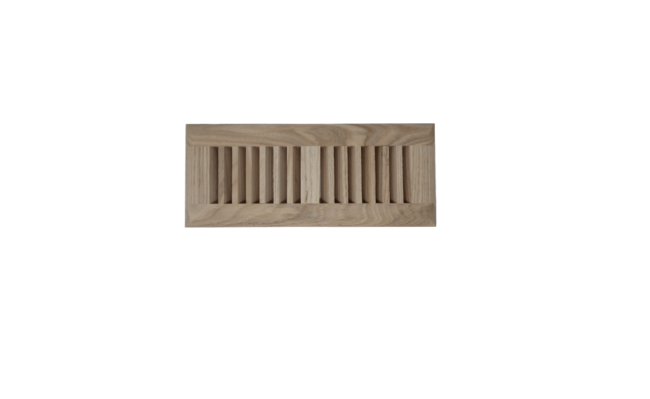
Floor registers may be an entry point for insects and rodents into the house. Since they are small, entering through them would be pretty easy if they are not properly sealed. In general, pest-proofing operates on the premise that even the most exquisitely craftedrift and quartered oak floor register may have gaps over time. If not appropriately sealed, pests can avoid the ducts and find a way into your home, which may create health risks or cause damage.
Choosing the Right Materials
You need a few things to get the job right and seal your floor registers effectively. You can opt for quality caulk or foam sealant to seal gaps around the registers’ edges. Take the caulk for situations when there are small gaps, and expandable foam works in a case when there are wider spaces. You may also want to consider using mesh or screen material on the underside of the register cover to prevent the little insects from slipping through.
Preparing for Sealing
Preparation goes first. Give the floor register some life by cleaning it from dust and any other particles that might render the seal ineffective. You may use a vacuum to remove the dust from the opening of the duct. After cleaning, inspect the area for any damage or gaps that need your attention. This gives you a solid foundation to carry on with your sealing effectively.
Step-by-Step Sealing Process
Start by taking a bead of caulk around the edge of the duct opening where the register will sit. Use expanding foam sealant for larger gaps in this area. Allow the sealant to dry according to the manufacturer’s instructions. Once it has dried, lay a piece of mesh or screen over the duct opening and reattach the floor register. This serves as an added layer to block the entry of smaller pests. Finally, reattach the register securely, ensuring it fits snugly against the floor.
Regular Maintenance
Sealing your floor registers is not a one-time job; it requires regular maintenance to keep pests away from your home. Check the seals periodically for wear and tear or gaps that might have been generated over time. Re-caulk or re-foam whenever the need arises. This could save you from further pest invasions and their headaches.
Additional Tips for Pest Prevention
Along with sealing floor registers, the following are other ways you can protect your residence from pests: seal all windows and doors and install mesh screens. Keep your home clean by eliminating food residue that may appeal to pests. Periodically check the outside of your home for any cracks or openings that need sealing.
Sealing floor registers is one of the easier yet more effective steps of pest-proofing a home. Using the right materials and keeping regular checks will undoubtedly make your environment less inviting to pests. This proactive approach will protect your home and its comforts and efficiencies so that you and your family can have peace of mind. Of course, don’t be afraid to contact the pros if you need help.


 If you’re like most homeowners, keeping your home in good condition is a top priority. One area that often goes overlooked is the roof. Unfortunately, pests can cause a lot of damage to your roof if left unchecked.