Open post
How to Keep Your Garden Play Equipment Free from Pests

How to Keep Your Garden Play Equipment Free from Pests

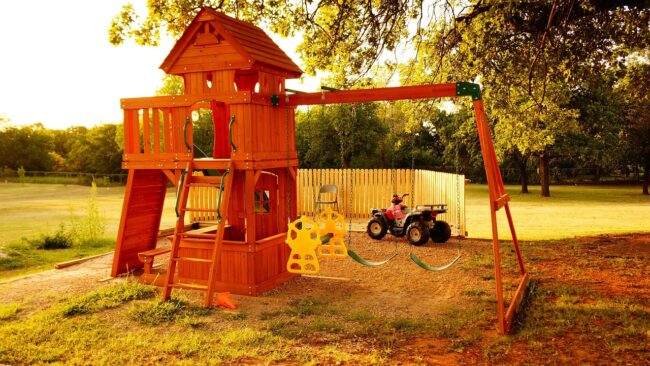
Do you love to watch your kids enjoying an outdoor activity on a sunny day? A garden playset is a perfect place for endless laughter and fun for your kids. However, if pests start infesting this playset, they turn fun into frustration. Nests of wasps or a colony of ants near the swing set may cause annoyance to your kids. But, there are ways to keep your garden play equipment free from bugs. 

A minimal effort will help you create a clean and safe outdoor environment for your children. Learn the best tips for protecting outdoor play kits from unwanted invaders in this guide.

Common Insects and Pests Infesting Your Garden Playset

Bugs and pests that commonly infest your outdoor freestanding swing sets and other kits are:

  • Carpenter bees
  • Ants
  • Spiders
  • Wasps
  • Bees
  • Termites
  • Flies

However, the particular types of insects infesting your playsets depend on the season and location. Flies and carpenter bees are common summer insects that interfere with your outdoor activities. During autumn, rats and termites may appear in the outdoor area.

High humidity and warm temperatures create a favorable environment for most pests. So, you must clean and seal the wooden structures to avoid pest infestation.

How to Save Your Garden Playset From Pests

A few simple solutions will keep your outdoor play equipment bug-free:

Apply Natural Ant Repellant- You can create a solution of water and cinnamon and apply it as an ant repellant. Some people buy organic repellant to prevent pests and ants. Cayenne pepper and coffee grounds also have the potential to deter ants.

Create a Pest Barrier- As chemical pesticides are harmful for your kids, look for natural deterrents. For instance, citrus peels are effective in deterring mosquitoes and spiders. Moreover, many insects do not like the fragrance of mint and lavender. Similarly, cedarwood has a unique scent that repels moths.

Seal Cracks- Pests try to hide in cracks and corners of your kids’ playhouse and other play equipment. Thus, you must check cracks and seal them with weatherproof sealant. Ensure you have tightened the loose joints of your playsets. These approaches will prevent pests from staying hidden in holes.

Inspect the Landscape- Weeds and tall grasses can become hiding spots for pests. That is why you must manage the area and save the play equipment from pests. Cut the grass and you’ll also impress the neighbors. 

Clean the Playset- Use child-safe cleaner to remove debris from your playset. A soft brush lets you tackle grime and dirt accumulation on the surface. If it is an outdoor playhouse, remove movable objects before cleaning the kits. 

Final Thoughts

Most kids love to stay outdoors and enjoy with their mates. With smart strategies and a little effort, you can prevent pest infestation of your garden play equipment. Pest-free swing sets and other kits will keep your children safe.

So, take proactive steps for garden playsets and transform the outdoor space. A clean playset will restore a smile to your child’s face! 
Open post
floor Register

Pest-Proof Your Home: Tips for Sealing Floor Registers

Comfort and safety extend from inside the apparent aesthetic of the house down to the little things, such as keeping pests at bay. The floor registers do an important job for the HVAC in your home, but they also invite some undesired guests to your living room. Dealing with this stylishly is sealing them effectively, adding to your home’s energy efficiency and making it uninhabitable for pests.

Understanding the Problem

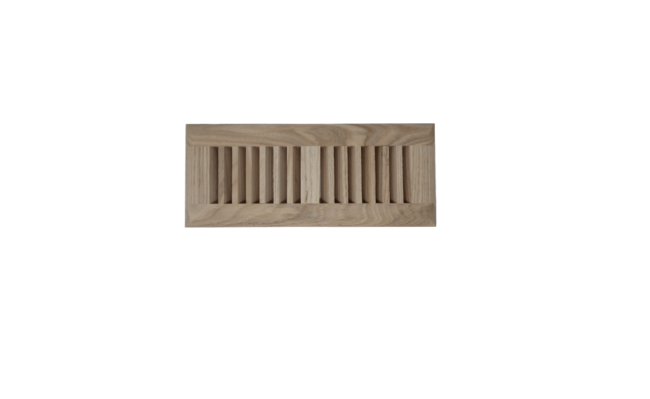
Floor registers may be an entry point for insects and rodents into the house. Since they are small, entering through them would be pretty easy if they are not properly sealed. In general, pest-proofing operates on the premise that even the most exquisitely craftedrift and quartered oak floor register may have gaps over time. If not appropriately sealed, pests can avoid the ducts and find a way into your home, which may create health risks or cause damage. 

Choosing the Right Materials

You need a few things to get the job right and seal your floor registers effectively. You can opt for quality caulk or foam sealant to seal gaps around the registers’ edges. Take the caulk for situations when there are small gaps, and expandable foam works in a case when there are wider spaces. You may also want to consider using mesh or screen material on the underside of the register cover to prevent the little insects from slipping through.

Preparing for Sealing

Preparation goes first. Give the floor register some life by cleaning it from dust and any other particles that might render the seal ineffective. You may use a vacuum to remove the dust from the opening of the duct. After cleaning, inspect the area for any damage or gaps that need your attention. This gives you a solid foundation to carry on with your sealing effectively.

Step-by-Step Sealing Process

Start by taking a bead of caulk around the edge of the duct opening where the register will sit. Use expanding foam sealant for larger gaps in this area. Allow the sealant to dry according to the manufacturer’s instructions. Once it has dried, lay a piece of mesh or screen over the duct opening and reattach the floor register. This serves as an added layer to block the entry of smaller pests. Finally, reattach the register securely, ensuring it fits snugly against the floor.

Regular Maintenance

Sealing your floor registers is not a one-time job; it requires regular maintenance to keep pests away from your home. Check the seals periodically for wear and tear or gaps that might have been generated over time. Re-caulk or re-foam whenever the need arises. This could save you from further pest invasions and their headaches.

Additional Tips for Pest Prevention

Along with sealing floor registers, the following are other ways you can protect your residence from pests: seal all windows and doors and install mesh screens. Keep your home clean by eliminating food residue that may appeal to pests. Periodically check the outside of your home for any cracks or openings that need sealing.

Sealing floor registers is one of the easier yet more effective steps of pest-proofing a home. Using the right materials and keeping regular checks will undoubtedly make your environment less inviting to pests. This proactive approach will protect your home and its comforts and efficiencies so that you and your family can have peace of mind. Of course, don’t be afraid to contact the pros if you need help. 

Open post
Pest Control In Kitchen Remodeling

The Important Role Of Pest Control In Kitchen Remodeling

Invasion by bugs is a possibility if you are careless. Insects such as spiders, ants, rodents, cockroaches, and others visit the kitchen due to food and food waste. Bugs and rodents in     the kitchen are filthy and may cause pest damage and infection. 

Keep your kitchen insect-free with these kitchen pest control techniques from specialists.

Tidy Up

Pests flourish in clutter and dampness. Cleaning regularly is the best method to start kitchen pest control. Clean kitchen countertops, nooks, and corners with disinfectant frequently. For example, rubbing shelves, appliances, counters, etc., every two days or so is recommended.

Curries and spices may spatter all over the kitchen while cooking. You should also clean the cupboard inside.

When cooking, clean up immediately instead of later. Things may slide under the fridge and other big appliances and be forgotten, so check there periodically.

If you have kitchen curtains, wash them in the machine since soft furnishings collect odors.

Block All Entries

Since kitchen ventilation is essential, you can’t keep your windows closed to avoid cockroaches, house flies, mosquitoes, and spiders. Netting your windows keeps air moving and bugs out, making it a fantastic pest control kitchen option. Wire mesh may cover open vents.

Over time, our kitchens wear out. Chips and minor cracks are often disregarded.

When trying to keep cockroaches out of kitchen cabinets, watch out for water leaking through cracked walls, backsplash tiles, floor tiles, and roof tiles.

Rodents, insects, and others may easily enter. Since these spaces may hide insects, patch them as needed.

Store Food Well

Food left exposed attracts insects and rodents, requiring frequent kitchen pest management. Food should never be left open in the kitchen after eating or preparing. Put leftovers in the fridge or store them in airtight containers.

Cover Trash And Compost Bins

You probably do this already, but here’s a reminder: seal your garbage bag before giving it to the municipality the next day. Kitchen waste should be placed in a heavy-duty, airtight plastic or glass container.

Store compost in a well-sealed container outside the kitchen to avoid cockroach treatment in the kitchen and rodent and insect attraction.

Avoid Overripe Produce

Produce, particularly ripe ones, shouldn’t be left outside. Consume, refrigerate, or discard it. Overripe food attracts flies and other insects, causing constant kitchen management issues.

Fix The Plumbing

Leakage and humidity ruin cabinetry and attract silverfish, little bugs beneath shelves, and other dark spots needing fast kitchen pest management. Silverfish breeds behind kitchen cupboards, behind sinks, and in cutlery drawers. Thus, kitchen leaks should be repaired immediately by yourself or a plumber.

Don’t Leave Pet Food And Water Out All Night

Rats and other nocturnal pests depend on a consistent food and water supply. Before retiring to bed, pet food containers should be removed to prevent these pests from being encouraged and minimize kitchen pest problems.If you already have a severe infestation of insects, it is advisable to get specialist help. We also recommend pest control before hiring the remodeling contractor because you don’t want unexpected problems to delay your project. After they finish their work, you must look for any signs of contamination in your kitchen.

Open post
Termite Control

Why is Termite Control Crucial for Protecting Your Home?

Termites, termites, termites – just what will we do with them? It’s critical to remember that termites can cause serious structural damage to your home if left unchecked. By taking proactive steps to control termite activity, you can ensure that your family is safe and your home remains secure.

Termite control is a process of actively managing the population levels of termites in and around your property. It should be part of an overall pest management strategy and should include strategies such as regular inspections for signs of termite activity, using baiting systems to draw out colonies and remove them from the premises, or even chemical treatments to effectively eliminate existing colonies. Remember, professionals with many years of experience exist if termites are becoming a real pest (pun intended!).

What are Termites? Introducing the Pest

Termites are tiny insects that live in colonies and feed on wood, fertilizer, and other organic materials. These creatures can cause serious damage to your home’s structure if not properly controlled. They typically enter homes through areas such as foundation cracks or gaps around windows and doors. Once inside, they can quickly spread throughout the system of joists, studs, beams and other woodwork, causing significant damage.

Why is Termite Control Important?

The most important reason to control termites is to protect your home from structural and financial damage. Termites can burrow deep into the wooden framework of your home, weakening its foundation and compromising its stability. Left unchecked, they can cause significant destruction in a very short time.

If you suspect that there are termites on your property, take swift action…like really swift. A professional Pest Control Company can help assess the situation and provide treatments for effective eradication of existing populations and prevention against future infestations.

By taking proactive steps to protect your home from termite activity, you can ensure that you and your family remain safe and secure exactly where they should be safe and secure…at home.

Termite Control Tips

So, you’re determined to take control. Start with a thorough inspection of your property. Look for signs of termite activity, such as mud tubes, frass (termite droppings), discarded wings, or even holes in woodwork. If you’re unsure what to search for but don’t want to dial a company just yet, give your detective skills a go online. Look out for those telltale signs – like ‘frass’ (fancy name for bug droppings) and discarded wings. Once you’ve nailed those, you’ll be a pro at spotting the little troublemakers.

If you suspect your space is playing host to unwanted guests, it’s time to bring in the pros. Contact a professional pest control company to assess the situation and give those intruders a swift eviction notice. Your home deserves nothing less than a pest-free paradise.

Being proactive about termite control is essential for protecting your home and family from lasting damage. Keeping your property clean, well-maintained, and free of excess moisture will also help in the fight against a potential infestation. It’s not always easy to spot these pesky creatures before they cause too much havoc, but with a little information you will be in a greater position.

Typically, pest companies will

  • Provide a comprehensive inspection and pinpoint areas of infestation.
  • Offer an effective solution for termite control, such as baiting, chemical treatments, and Termite Tenting in Sarasota.
  • Provide ongoing monitoring to ensure that the population is controlled and any potential new activity can be dealt with quickly.

Why not start now?

Open post

Tips for Cleaning Before you Move in Sydney

Moving is hard, no matter how often you have done it or if it is your first time. One of the most important things you must do is clean the building. When a homeowner or renter moves out, they can not leave the place dirty because that would make it hard for the next person to move in.

But it is harder than it sounds to clean your house or apartment thoroughly because you need to plan and prepare, so you do not get stressed out. Several cheap removalists in Sydney, like Moves and more Removalists Sydney, can help you with your household’s transportation. 

Here are some professional cleaning tips for your house before you move that will save you time, energy, and money.

Get Things that Professionals Use

When you clean your home regularly, you do not need a lot of different supplies, tools, or equipment. But a thorough cleaning is different, and you will need the following things to get the same results as professional Sydney home cleaning and move-out cleaning services.

  • Microfiber mops, rags, towels, gloves, and a duster.
  • A vacuum cleaner that comes with different parts.
  • A multi-purpose cleaner.
  • A disinfectant.
  • White vinegar, baking soda, essential oils, and hydrogen peroxide are all-natural ways to clean.
  • Set of brushes, sponges, scouring pads, and a drill brush of different sizes.
  • Products that can be used to clean, like the Barkeeper’s Buddy, magic erasers, Stardrops, miraculous cleaning paste, etc.

Sweeper and Dustpan

Bleach, ammonia, and other harsh chemicals are often found in commercial cleaning products. However, strong smells and volatile chemical compounds in store-bought goods can worsen asthma, rhinitis, allergies, and other long-term lung diseases.

Make a List of Things to Clean

You can not quickly and thoroughly clean your house without a checklist that tells you what to do and in what order. End-of-lease cleaning checklists help professional cleaners in Sydney speed up their work and finish on time. Cheap removalists in Sydney like Moves and more Removalists Sydney will provide you with transportation services along with some other beneficial services at very reasonable prices.

Organize First, Then Clean

Decluttering is helpful not only for reducing the weight of your boxes and furniture before you move but also for saving time when you clean. You have to get rid of old, unwanted, or broken things.

With less to do, you can make more space and get things done in the time allotted. After decluttering, you can get rid of the trash, keep what you need, and give or sell things that are in good condition and good for all ages.

Clean Together

Instead of doing tasks in each room separately, do them together throughout the whole house. You save time, energy, and cleaning supplies by doing one job at a time.

Employ Appropriate Techniques

Move from top to bottom as you clean, wipe, or dust any surface or item in your house from the top down. It keeps dirty things from getting into cleaned areas and takes cleaning longer. You can also use the following methods to clean your house well before you move.

Move from right to left as you dust and clean the surfaces and fixtures of the room. Never clean before disinfecting because the dirt covers up the germs and makes the results less good.

Make it a Family Occasion

Before you move, you must give your home a thorough cleaning, which may be hard to do on your own. Caring for every part of cleaning the house is both physically and mentally tiring. Cheap removalists in Sydney like Moves and more Removalists Sydney is well known for providing the best services at very reasonable prices.

The Bottom Line

Before you move, you must clean your house thoroughly to do several things. It could help raise the property’s market value or make it easier to end the lease. Follow the tips above to ensure your house or apartment is clean before moving.

Scroll to top